
Discover the editions
Through the dissident artist's storied career, Ai Weiwei has amassed an expansive library of motifs and symbols – many of which feature in our latest collaboration.Register for early access
We'll email you ahead of launch
Guardian: Decoded
Each symbol is esoteric, laced with humour and deployed throughout his work – here is our comprehensive guide to the symbols at play in this divine self-portrait.01 · Divina Proportione
The form references Weiwei’s 2004 series Divine Proportion, inspired by Luca Pacioli’s Divina Proportione (1509), and Leonardo da Vinci’s geometric drawings. The idea for the hand-crafted wooden icosahedra came to the artist while watching his cat play with a plastic ball in his workshop.
02 · Life Jacket
A prominent symbol in the artist’s work, life jackets first appeared in Weiwei’s installation Safe Passage (2016), where 14,000 used refugee life jackets were attached to the columns of Berlin’s Konzerthaus concert hall, reflecting the journeys of refugees from Syria to Europe.
03 · Caonima (Horse)
Weiwei frequently uses the Chinese zodiac as a framework to critique cultural heritage, nationalism, and monolithic narratives of Chinese history. The horse occupies a uniquely charged place in Chinese imperial history, symbolising prestige, military power, and exotic desire.
04 · Dragon
Weiwei uses the dragon to explore the dissemination of cultural heritage and how modern China connects with its past. In Button Up!, the artist’s major upcoming presentation at Factory International, he reimagines the Qing dynasty’s flag, featuring the Azure Dragon and red flaming pearl, entirely from buttons, turning an 1889 emblem into a reflection on power and globalisation.
05 · Lantern
Following his 81-day detention in 2011, when the Chinese government surrounded his Caochangdi studio with 15 surveillance cameras, Weiwei hung red paper lanterns from each one – a wry gesture of acknowledgement and defiance toward constant surveillance.
06 · Cat
Here, the cat references Weiwei’s netted Camouflage installation for the Art X Freedom programme on Roosevelt Island, where cat silhouettes replaced military patterns in homage to a nearby animal shelter.
The artwork uses the symbolic nature of camouflage to spark a dialogue about what needs protection and what requires the removal of disguise to reveal truth
Ai Weiwei
07 · Buttons
One of Weiwei’s most emotionally charged motifs, buttons recall treasured objects of his childhood and serve as tools for tracing imperial history, industrial labour, and China’s evolving relationship with the West. In his upcoming Factory International exhibition, Button Up!, Weiwei premieres a new body of work made entirely from them – Eight‑Nation Alliance Flags.
08 · Bicycle
Throughout his career, Weiwei has used the bicycle as a symbolic motif to explore cultural memory and social change – most prominently in his installation series Forever Bicycles (2003), where he assembled thousands of bicycles into towering monuments.
09 · Sunflower
Used in ceramic form for his renowned installation Sunflower Seeds (2010), which saw the artist fill the Turbine Hall of the gallery with more than 100 million porcelain replicas of sunflower seeds, they recall a common childhood snack while referencing Cultural Revolution propaganda that likened Mao Zedong to the sun and his people to sunflowers.
10 · Door God
The door god is placed at thresholds during the Lunar New Year to protect those inside from harm. Weiwei hopes that he too can dispel malevolent forces through his art and activism.
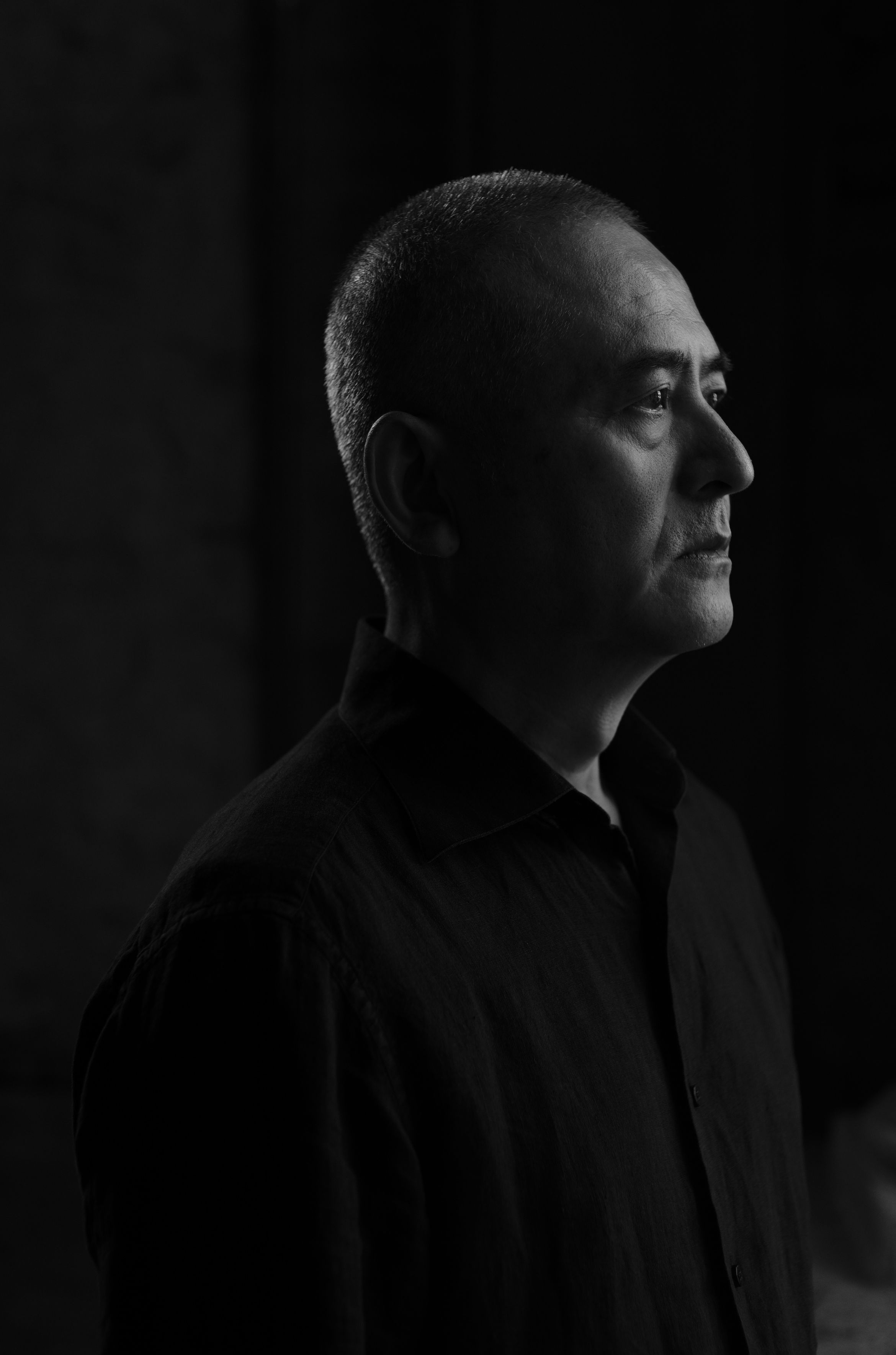
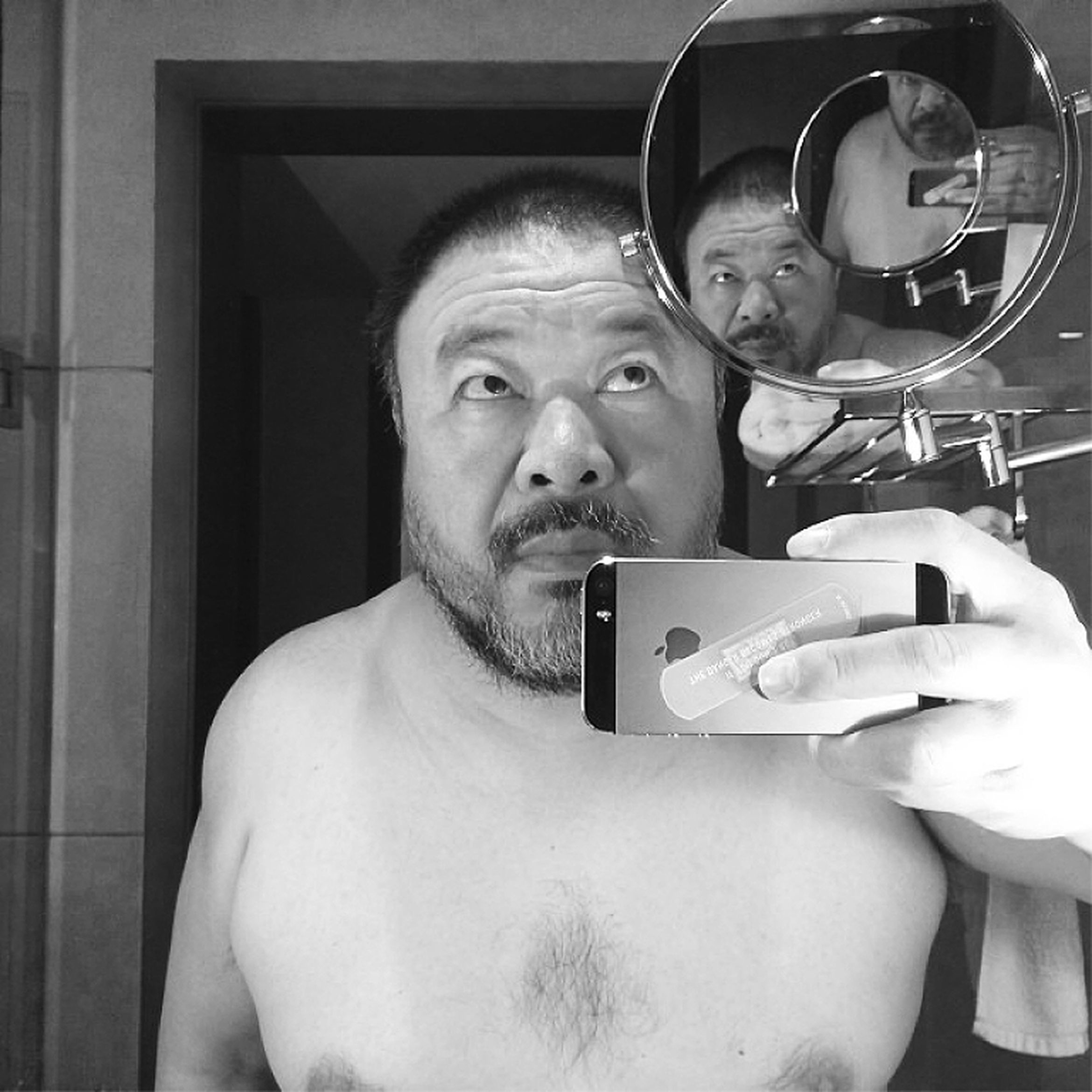
11 · Ai Weiwei (Self-Portrait)
Ai Weiwei is unafraid to speak truth to power, and over the course of his life, he’s become a symbol of resistance – advocating for justice, free speech and human rights. His self-effacing self-portrait embodies an ongoing struggle with this position.